
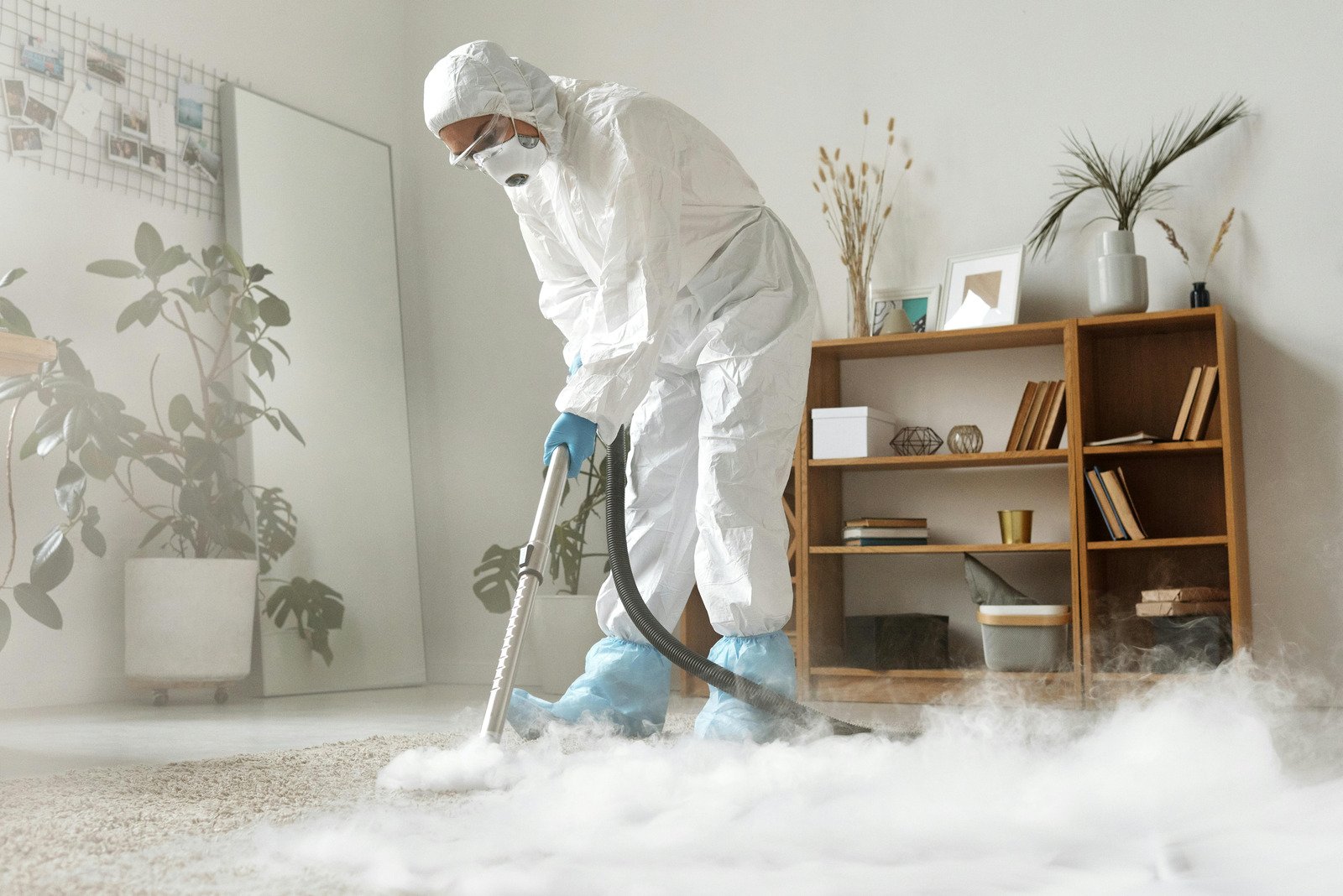
When water finds its way into a commercial property, every minute matters. Leaks, burst pipes, storm intrusion, sprinkler discharges, and sewage backups can halt operations, threaten inventory, damage equipment, and create health hazards. The goal of commercial water damage restoration isn’t just drying a building—it’s protecting people, preserving assets, and restoring the business to full function with defensible documentation for insurers and stakeholders. This guide explains what to do in the first hour, how professional mitigation works, what timelines to expect, and how to choose a vendor that treats your downtime like an emergency.
The First 60 Minutes — Stabilize, Document, Communicate
1) Life Safety First
- Keep occupants away from wet electrical equipment, ceiling sags, and contaminated water.
- Shut off the main water supply if a pipe is the source; engage facilities or maintenance.
2) Source Control
- Identify and stop the source (plumber, roofer, sprinkler company, or facilities team).
- For storms, deploy temporary roof tarps or interior containment to limit spread.
3) Documentation for Claims & Compliance
- Take wide-to-close photos and short videos of affected spaces, equipment, and materials.
- Capture meter readings, standing water depth, and any damaged inventory tags or serial numbers.
- Start a log: discovery time, actions taken, contractors contacted.
4) Call a Commercial-Capable Restoration Team
- Ask for arrival ETA, crew size, and equipment plan.
- Request an initial scope with safety controls (lockout/tagout, electrical, slip hazards) and a communication cadence (daily updates).
Water Categories & Why They Matter
- Category 1 (clean): From supply lines or rain infiltration with no contaminants.
- Category 2 (gray): From appliances or long-standing leaks; may contain microbes.
- Category 3 (black): Sewage, floodwater, or grossly contaminated water. Requires specialized PPE, containment, and disposal protocols.
Category drives PPE, containment, cleaning chemistry, and what can be dried versus discarded.
Industries with Special Considerations
- Healthcare: Infection control risk assessments (ICRA), negative pressure, HEPA filtration, and segmented routes to protect patients and staff.
- Hospitality & Retail: Guest/public safety, odor control, rapid partial re-open strategies, and after-hours work windows.
- Industrial/Warehouse: Forklift routes, racking stability, equipment lockout/tagout, and humidity control to protect raw materials.
- Education & Offices: IAQ monitoring, occupant notices, and phased area re-openings.
- Food Service: Sanitation standards, grease interceptors, and moisture limits to prevent microbial growth.
The Commercial Water Mitigation Process (Step by Step)
Assessment & Safety
- Hazard review: electricity, slip/trip, ceiling load, contaminated water.
- Moisture mapping with meters/thermal imaging to define the true footprint.
Extraction & Bulk Water Removal
- Portable or truck-mounted extraction, squeegee vacs for hard surfaces, and pump-outs for basements or pits.
- Lift wet carpet tiles (if salvageable) and remove standing water under raised floors.
Controlled Demolition (As Needed)
- Remove non-salvage materials (soaked drywall, insulation, ceiling tiles) based on category/time saturated.
- Cut strategic flood-cuts to speed wall cavity drying and allow antimicrobial treatment.
Cleaning & Antimicrobial Application
- Clean and sanitize affected surfaces; implement odor control where appropriate.
- For Category 2/3, use containment, negative air, and waste handling per regulations.
Structural Drying & Environmental Control
- Deploy air movers and low-grain dehumidifiers sized to the cubic footage and wet materials.
- Set temperature/humidity targets; log readings daily (or twice daily on critical sites).
- Use HEPA air scrubbers where dust, debris, or occupant sensitivity requires.
Monitoring & Adjustments
- Daily moisture readings at consistent reference points; rebalance equipment for efficient drying.
- Communicate progress to management, property managers, and insurers.
Clearance & Build-Back Prep
- Confirm materials have returned to dry-standard moisture content.
- Provide a wrap-up package: photos, logs, equipment lists, and drying charts that support insurance claims.
- Transition to repairs (flooring, drywall, paint, millwork, finishes).
Timelines — What’s Realistic?
- Mobilization: 1–4 hours for emergency crews in most metros.
- Extraction & stabilization: Same day for most losses.
- Drying: Often 3–5 days, longer for dense assemblies (plaster, hardwood over felt, double drywall).
- Category 3 (sewage): Additional time for demolition, sanitization, and verification.
- Build-back: Depends on material lead times and scope (coordination with GC or facilities).
Note: Starting mitigation quickly shortens drying time and limits secondary damage (warping, corrosion, microbial growth).
Protecting Inventory, Equipment, and Data
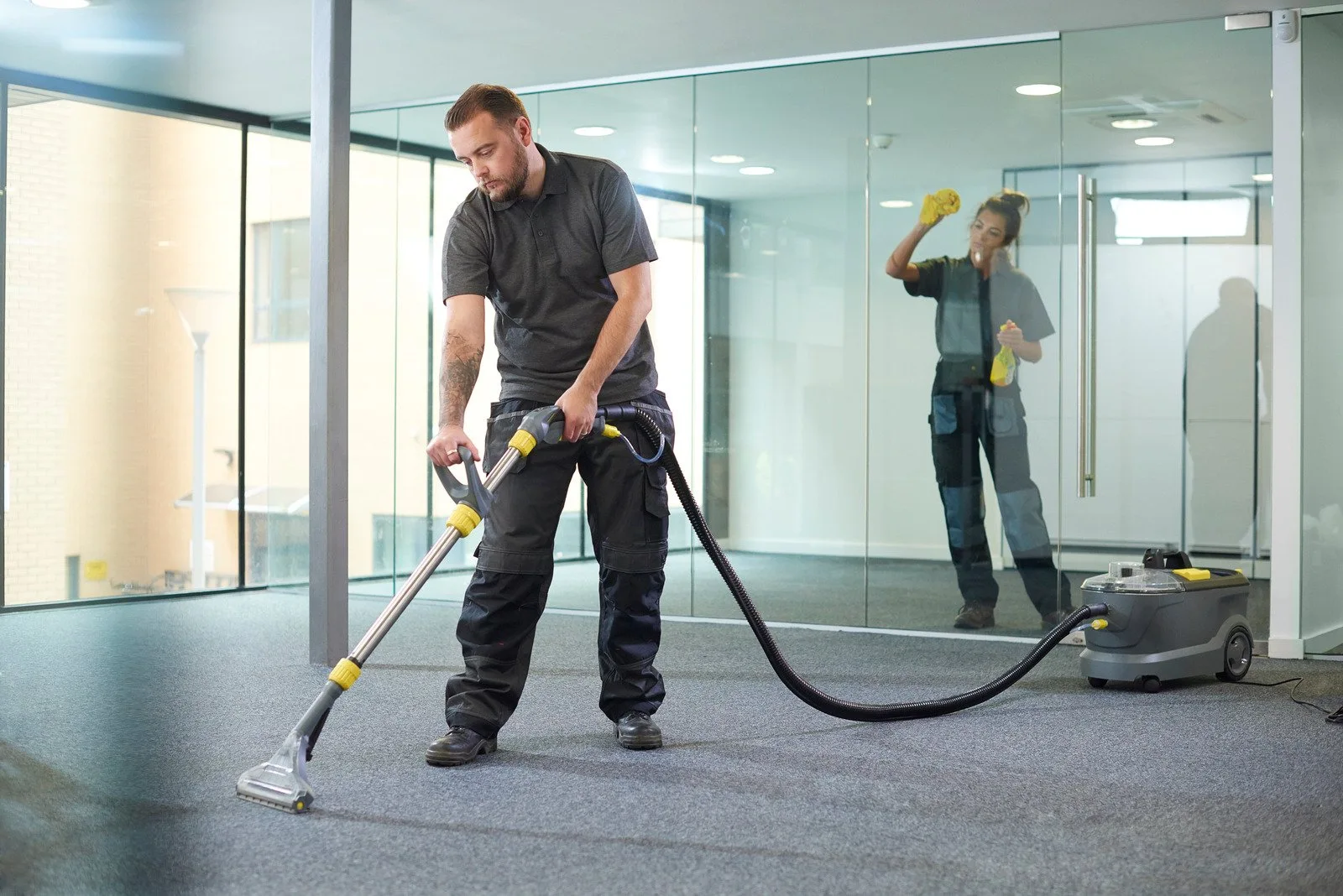
- Contents triage: Separate salvageable from non-salvageable; prioritize high-value or time-sensitive items.
- Electronics: Do not power wet equipment. Coordinate with qualified electronics restoration vendors.
- Records & data: Use document drying (freeze-drying/desiccant) and prioritize servers and on-prem systems.
- Humidity control: Keep RH under target to prevent surface rust and swelling in raw materials or packaging.
Insurance & Documentation — Getting Claims Approved
- Photo/video from initial conditions through completion.
- Moisture maps, daily readings, and psychrometric logs.
- Itemized scope with materials removed, cleaning methods, and equipment lists.
- Salvage vs. non-salvage inventory lists with quantities and serials where applicable.
- Vendor credentials (IICRC certifications), safety plans, and waste manifests (Category 3).
Clear documentation removes friction with adjusters and speeds reimbursement.
Prevention & Resilience Planning
- Routine inspections: Roofs, mechanical rooms, sprinkler heads, and floor drains.
- Smart sensors: Leak detection and auto-shutoff on critical supply lines.
- Valve maps & training: Staff should know how to shut water quickly.
- Critical spares: Stock ceiling tiles, base, and key finishes for fast resets.
- Continuity playbook: Contacts list, vendor MOUs, after-hours protocols, and a priority reopening plan (which areas must go live first).
Vendor Checklist — How to Choose the Right Team
- 24/7 availability with true commercial capacity (crew size, equipment stock).
- IICRC-certified technicians and site-specific safety plans.
- Experience in your building type (healthcare, hospitality, industrial).
- Daily reporting and a single point of contact.
- Ability to scale for large losses and coordinate with insurers and GCs.
- Clear, itemized scopes with documented drying goals and sign-offs.
FAQs
Can we stay open during drying?
Often, yes—with containment, negative pressure, and phased work zones. Your vendor should present an occupancy plan that protects staff and customers.
Will we have odors or mold after?
Rapid extraction, targeted demolition, correct chemistry, and verified moisture targets prevent odors and microbial growth. Monitoring and clearance steps are key.
What about asbestos or lead?
In older buildings, testing may be required before demolition. Your vendor should coordinate with environmental consultants and follow all regulations.
Call to Action:
Water emergency now or need a readiness plan? Request 24/7 help and get a commercial restoration team en route with the equipment, documentation, and project management your business needs to get back online fast.
